Redness, heat, stinging and increased skin sensitivity are becoming increasingly common topics in our conversations with skincare professionals. But what actually happens in rosacea-prone skin, and how can we support it with the right skincare approach?
At Ecbelle, we have noticed that one question is coming up increasingly often in our conversations with skincare professionals:
“Do you have any solutions for rosacea-prone skin?”
Previously, conversations often focused on effective anti-ageing treatments and solutions for acne. These remain important topics, but alongside them, we are seeing a growing need for guidance on caring for skin that is prone to redness, sensitivity and inflammation.
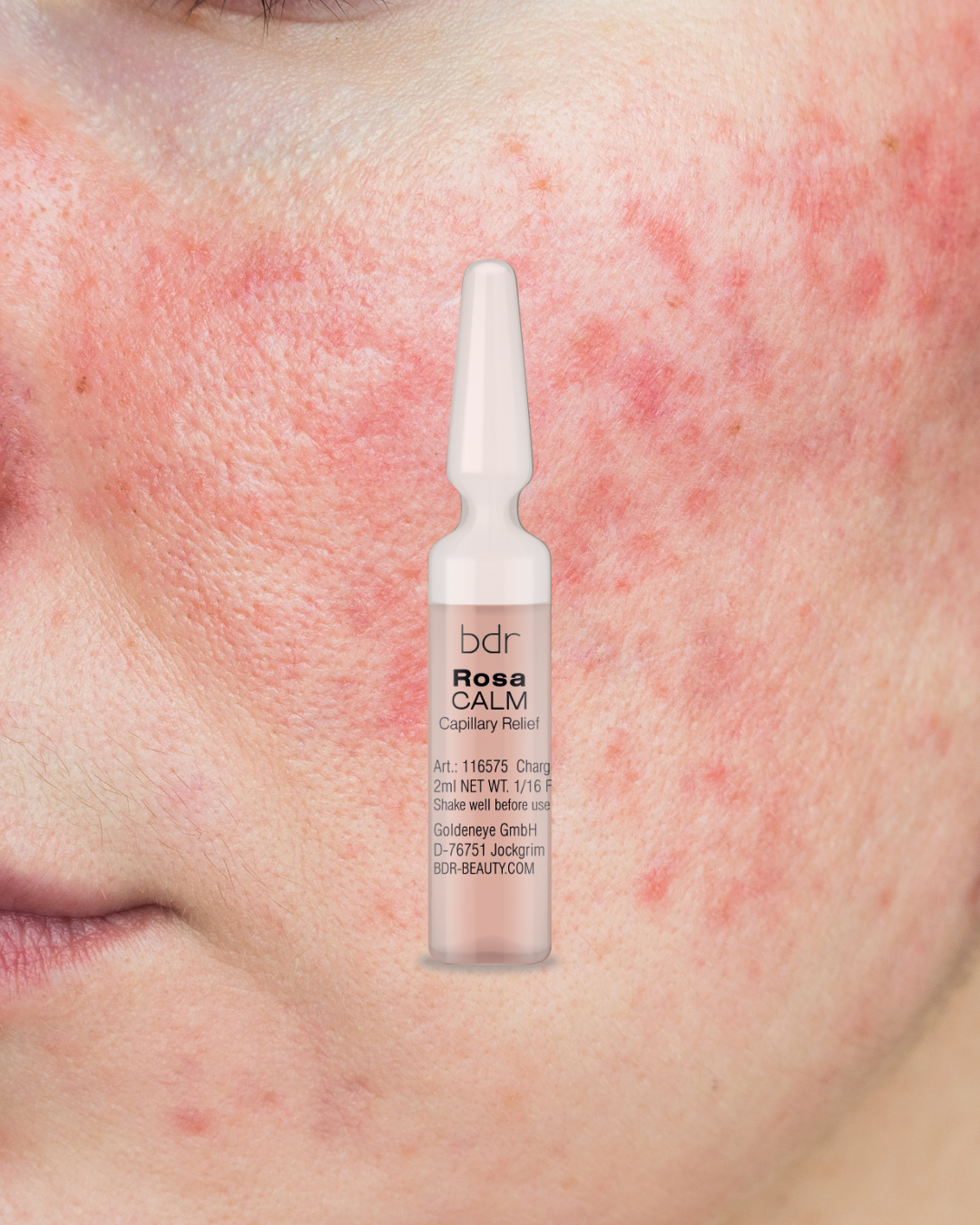
This is understandable. Rosacea is a chronic inflammatory skin condition that can cause persistent or temporary facial redness, visible blood vessels, inflammatory bumps and pustules, as well as sensations of heat, stinging and discomfort. Symptoms vary from person to person, and the same skincare routine does not necessarily work for everyone.
To care for rosacea-prone skin effectively, it is important to understand that we are not dealing with redness alone. Several interconnected mechanisms influence how the skin behaves and responds to its environment.
The skin is not simply a passive barrier between our body and the environment. It is an active sensory organ in which the nervous system, immune system and blood vessels communicate with one another.
The skin contains numerous nociceptors, sensory nerve endings that detect potentially tissue-damaging stimuli. They participate in pain signalling and may respond to different mechanical, chemical and temperature-related triggers.
When sensory nerve endings become activated, they can release neuropeptides such as substance P. This signalling molecule contributes to communication between the nervous system and inflammatory pathways and may influence mast cell activity and blood vessel responses.
Mast cells are part of the immune system. They can release histamine and other inflammatory mediators, and their role in rosacea is an area of scientific research.
Why does this matter to skincare professionals?
Because the burning, stinging and sensitivity associated with rosacea are not necessarily caused only by an irritating substance on the skin’s surface. They may also be related to increased responsiveness within the communication pathways between the nervous system and immune system.
However, the exact mechanisms behind rosacea are not yet fully understood. The condition cannot be explained solely by altered nerve signalling. The innate immune system, blood vessel regulation, skin barrier function and individual predisposition may also play important roles.
Increased skin sensitivity is common in rosacea. Clients may notice that their faces flush easily, feel hot when temperatures change or sting after applying a skincare product.
Possible symptoms include:
Rosacea can present in different ways and with varying degrees of severity. This is why treatment should not be planned solely according to how red the skin appears. It is equally important to understand how the client experiences their skin, what reactions they have had in the past and which products they have tolerated well.
Rosacea may also be associated with impaired skin barrier function. When the barrier is compromised, the skin may lose moisture more easily and become more sensitive to external irritants.
For this reason, skincare should begin with the fundamentals: gentle cleansing, adequate moisturisation, support for the skin barrier and consistent sun protection.
Rosacea triggers vary from person to person. One client may react strongly to heat, while another may notice that stress or a particular skincare product worsens their symptoms.
Common potential triggers include:
Not everyone reacts to the same triggers. Keeping a simple diary of symptoms and possible triggers can help clients recognise recurring patterns and understand what affects their skin.
It is also important to review the existing skincare routine. Using several active ingredients simultaneously, exfoliating too aggressively or increasing treatment intensity too quickly may aggravate irritation.
As skincare professionals, we naturally want to offer our clients visible results. With rosacea-prone skin, however, an effective approach may mean starting more gently than usual.
The first goal is not to use as many active ingredients as possible or perform the most intensive treatment. Instead, it is to establish a routine that suits the skin and can be adjusted gradually when appropriate.
Choose a gentle cleanser suitable for the skin’s current condition. Avoid rubbing or scrubbing the skin, and use comfortably lukewarm water.
Next, focus on moisturisation and supporting the skin barrier. Daily broad-spectrum sun protection, generally SPF 30 or higher, is also an important part of caring for rosacea-prone skin.
Introduce new products one at a time. This makes it easier to identify how the skin responds. If a product causes significant or persistent stinging, burning, swelling or increased redness, discontinue use and reassess the situation.
Once the basic routine is well tolerated, consider whether additional products may be beneficial.
There is no single timeline that works for everyone. Some clients may do best with a very simple routine, while others may gradually expand their skincare regimen.
Acids, intensive serums, ampoules and device-based treatments all require careful consideration. A rosacea diagnosis does not automatically mean that every active treatment is unsuitable, but the skin’s current condition and previous reactions are important factors.
If the skin is visibly inflamed, painful or highly reactive, intensive cosmetic treatments should be postponed. Unclear, persistent or severe symptoms should be assessed by a qualified healthcare professional.
BDR’s skincare philosophy focuses on understanding the skin’s needs and building a suitable routine. For rosacea-prone skin, this means selecting products individually and introducing them gradually.
No cosmetic product cures rosacea, and no single product can be guaranteed to suit everyone. However, appropriately selected skincare products may help maintain hydration, support the skin barrier and reduce irritation associated with an unsuitable skincare routine.
A possible starting point may include:
Suitability should always be assessed according to the client’s skin condition, the products’ formulations and any previous reactions. At the beginning, keep the routine as simple as possible.
Once the basic routine is well tolerated, consider introducing one ampoule at a time.
Rosa Calm is an interesting option when the aim is to focus on soothing skincare. Its ingredients and formulation should be reviewed in relation to the client’s individual sensitivities.
Depending on the client’s needs, other options may include:
There is no need to introduce all these products simultaneously. Adding one product at a time makes it easier to monitor the skin’s response.
We have also received positive client feedback regarding the use of Re-Lax3 intensive serum once a week. In addition, some clients have later incorporated BotaNt and SOS Boswellia ampoules together into their routines.
These observations are based on individual experiences and do not guarantee that the products will be suitable for every person with rosacea. Decisions about introducing additional products should always consider the skin’s current condition, the formulation and the client’s previous tolerance.
Professional treatments for rosacea-prone skin should also be planned individually. Not all facial redness is rosacea, and actively inflamed skin may first require assessment by a healthcare professional and, where appropriate, medical treatment.
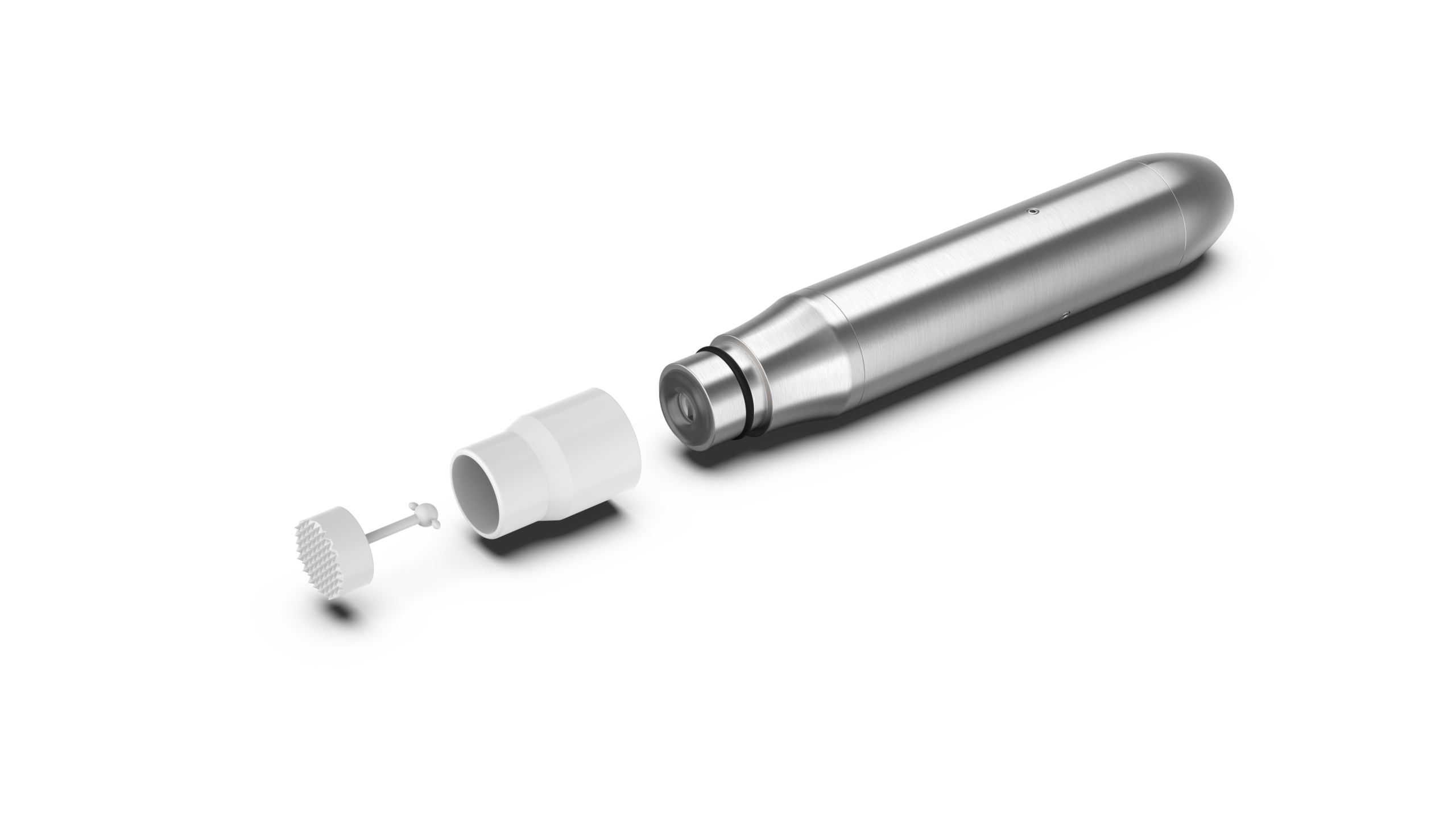
When the skin is stable and suitability has been carefully assessed, a skincare professional may consider options such as:
With acids and device-based treatments, it is particularly important to distinguish between technical compatibility, the manufacturer’s instructions and clinical evidence for the treatment of rosacea specifically. The fact that a method works well for some clients does not mean it is appropriate for everyone.
Caring for rosacea-prone skin requires more than knowing which products to use. It also requires understanding when to introduce more active treatments and when the priority should be to reduce irritation and allow the skin to settle.
When skincare professionals understand the interaction between the skin barrier, nervous system and inflammatory pathways, they can build more thoughtful and individualised skincare routines.
With rosacea-prone skin, the goal is not to do as much as possible. It is to find the right approach for that particular skin.
Please note: Rosacea is a chronic skin condition that should be diagnosed and medically managed by a qualified healthcare professional. Cosmetic skincare may support skin comfort and wellbeing, but it does not replace medical treatment.